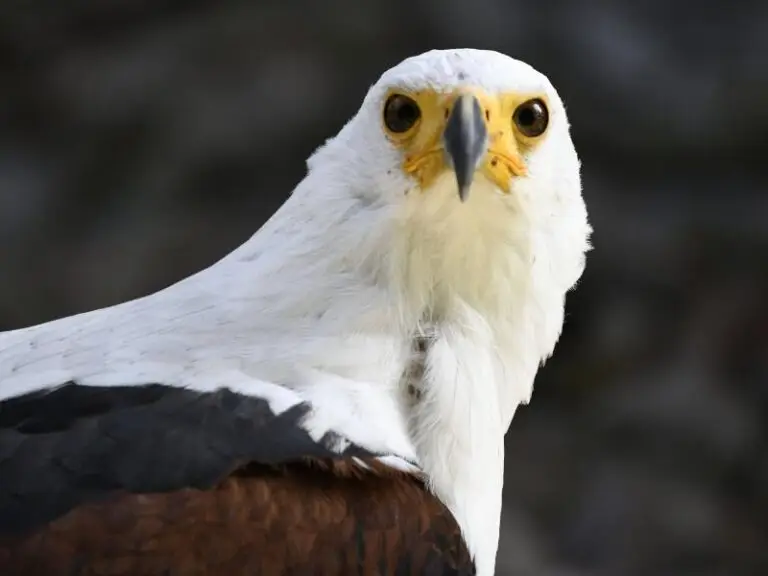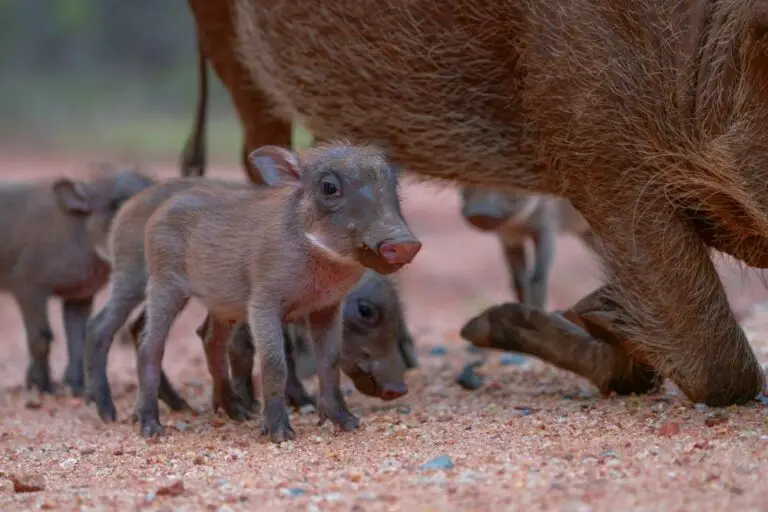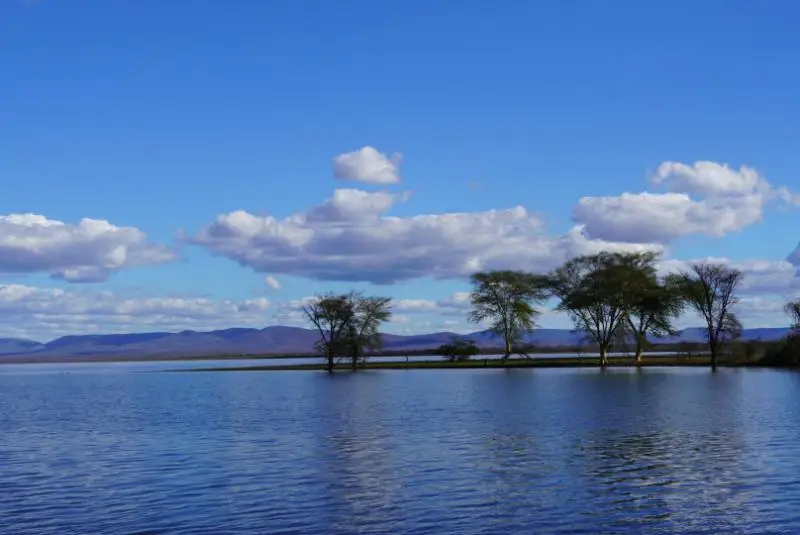
Every year, as spring stretches into early summer, something quietly spectacular happens at Royal Jozini. Far to the south, in the rugged foothills of KwaZulu-Natal, the sluice gates of the Pongolapoort Dam are opened, and water begins its annual journey east, then north. This carefully managed release isn’t just about agriculture – it’s a ritual that sustains ecosystems, supports communities, and transforms landscapes all the way into KwaZulu-Natal and Mozambique.
In 2025, the release came a little later than usual – in November, rather than October – and as always, it brought with it a sense of renewal and anticipation.
A Lake with Two Names and Many Stories
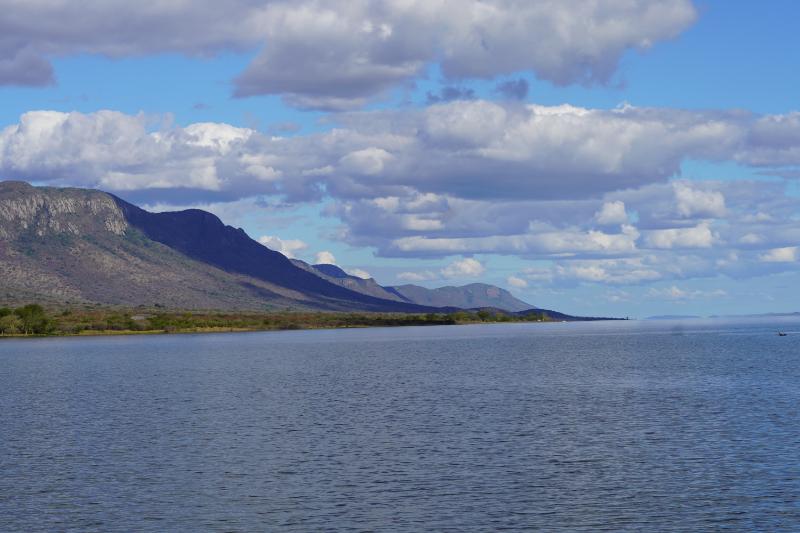
Pongolapoort Dam, completed in 1973, was engineered to store and regulate the waters of the Pongola River, primarily to irrigate the fertile Makatini Flats downstream. But as the dam filled, it created Lake Jozini – South Africa’s third largest lake and, as many of us know well, one of the region’s most breathtaking hidden gems.
Its long, sinuous shape stretches northwards, pressing against the foothills of the Lebombo Mountains before flowing gently into southern Eswatini, where it becomes part of our wild and beautiful Royal Jozini Private Game Reserve.
Here, the lake is more than a reservoir. It’s a living, shifting presence that dictates the rhythm of life – for wildlife, for people, and for those who simply love to spend time in its company.
The Flood that Brings Life
Each year’s water release is timed to mimic the natural floods that would once have swept through the Pongola floodplain long before the dam was built. When the gates are opened, the surge flows downriver onto the Makatini Flats, replenishing wetlands, soaking dry land,
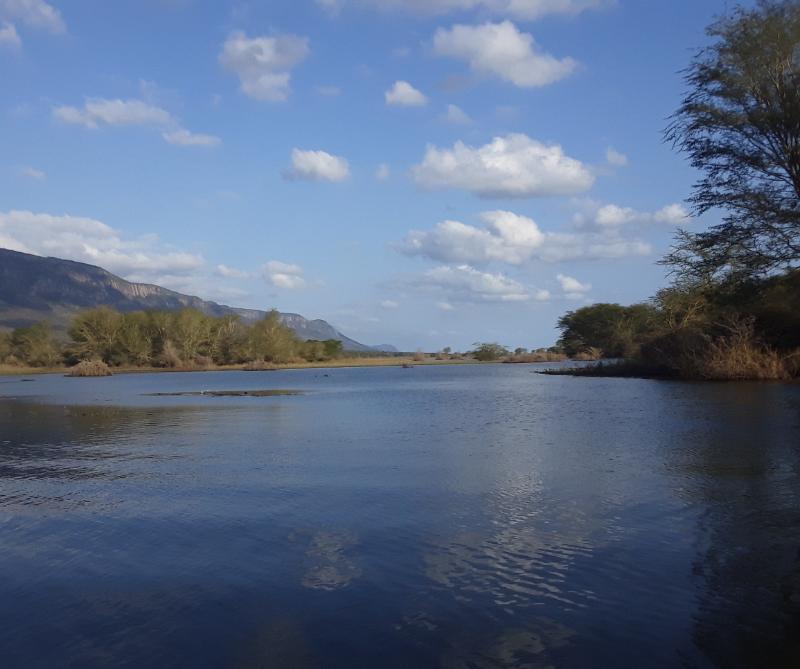
Because Lake Jozini pushes north, during the summer rainfall, the waters also spill gracefully into Eswatini, flooding the low-lying areas of Royal Jozini and at the spring let-out, the lake levels drop.
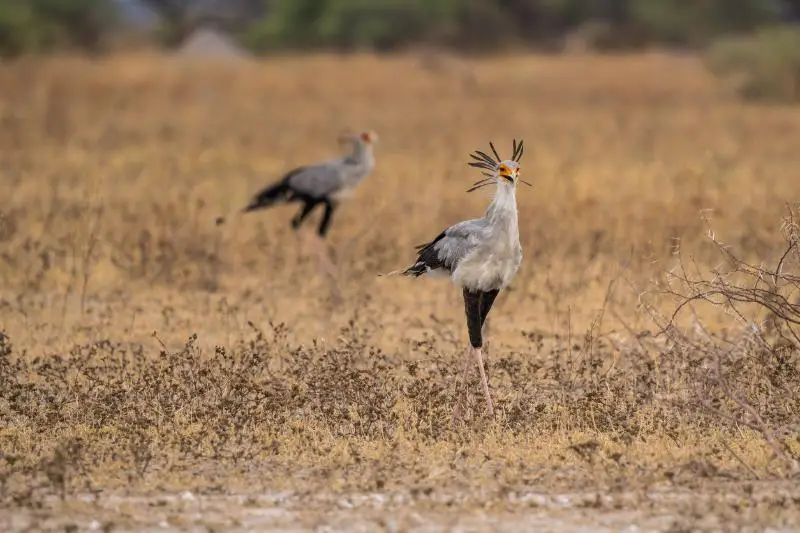
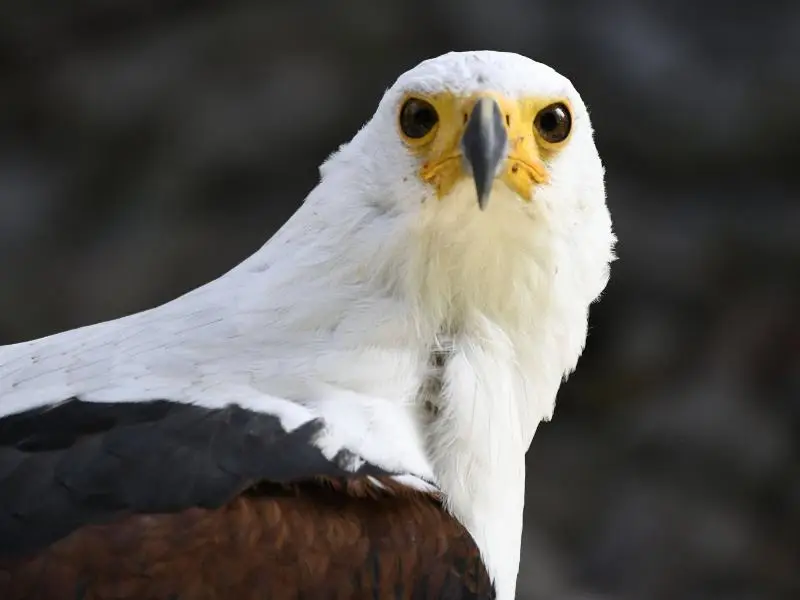
During the summer rainfall months, birdlife flocks in, fish stir, crocodiles glide silently into new channels, and hippos return to wallows that had previously been dry. For photographers and nature lovers, it’s a dream come true – a living canvas that shifts with the season.
A Cross-Border Miracle
What makes this annual dam let out event so extraordinary is that it connects three countries:
- South Africa, where the dam sits, controlling the release;
- Eswatini, where Lake Jozini stretches into the wild heart of Royal Jozini;
- And Mozambique, downstream, where the Pongola eventually joins the Maputo River, nourishing communities and wetlands far beyond our borders.
Managing this shared water resource requires delicate coordination. Releases must be timed not just for agriculture but also to sustain wetlands, biodiversity, and local livelihoods. A release that’s too late or too little can disrupt breeding cycles of fish and birds, affect tourism on both sides of the border, and impact farming further downstream.
The spring let out before the summer rains means there is space for the lake to refill, bringing great news for wildlife and for those who know that a full lake means tiger fish leaping, boat engines humming, and sunsets reflecting off wider waters.