Some birds soar. Some birds hunt.
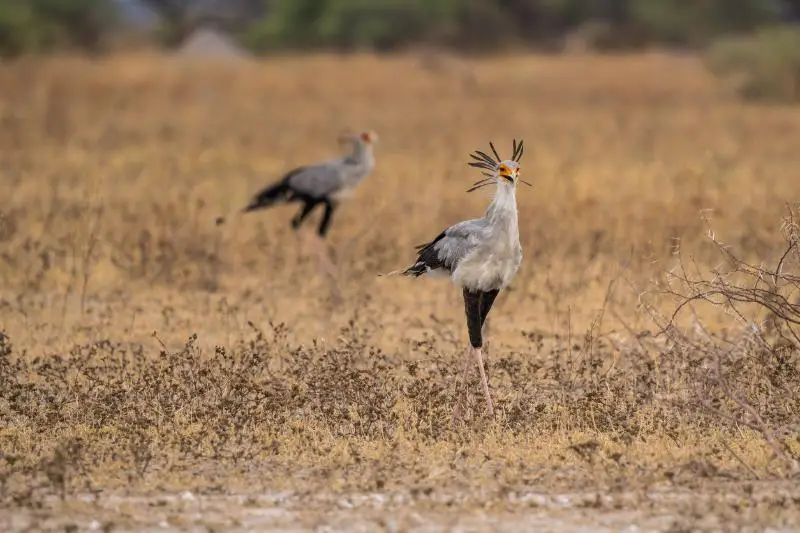
And then there is the Secretary Bird, which seems to stroll through life with purpose and ambition.
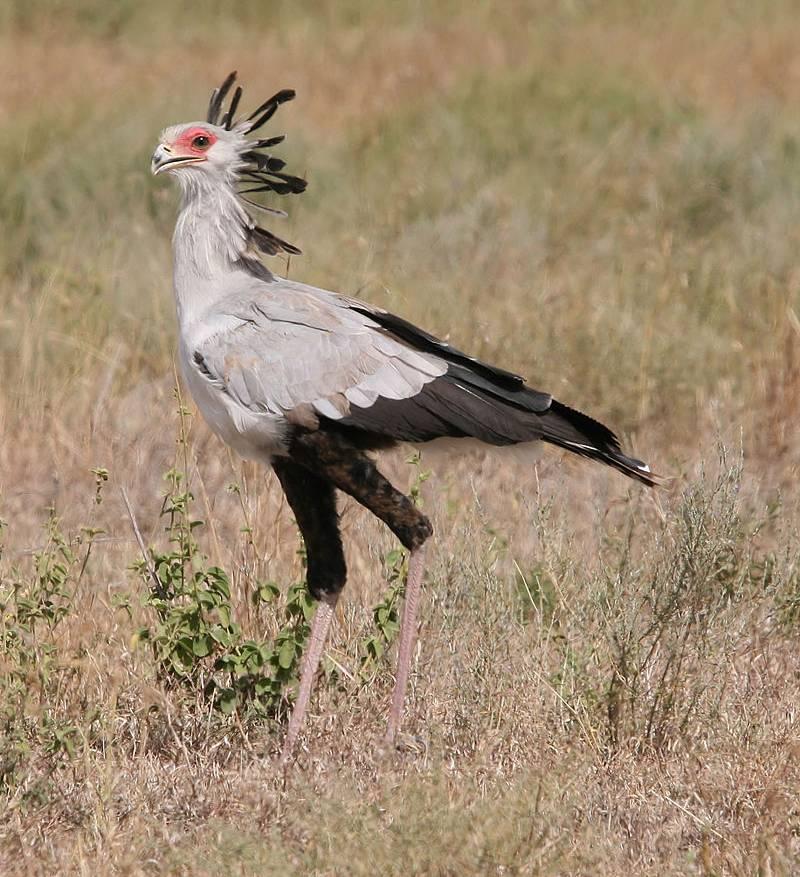
Tall, elegant and unmistakably regal, the Secretary Bird has long been one of Africa’s most distinctive birds.
With its long legs, striking crest of feathers and deliberate, dignified walk, it looks less like a bird of prey and more like a Victorian gentleman inspecting his estate.
For me, seeing one always stirs memories.
Back in the 1970s, when I first met my husband, weekends often meant adventure. Living in Johannesburg, we would simply choose a direction – north, south, east or west – and head off to explore. Those were wonderful days of discovery.
And one of the sights we regularly encountered was the Secretary Bird.
We would spot them striding through the veld, seemingly unhurried, their dark crest feathers bouncing gently as they walked. On one memorable occasion, we even watched a Secretary Bird catch a snake.
At the time, such sightings felt almost commonplace. But over the years, they became increasingly rare.
As habitats changed and grasslands disappeared, Secretary Birds seemed to vanish from many of the places where they had once been familiar companions of the open veld.
That is why our recent encounters at Royal Jozini have been such a delight.
A pair of Secretary Birds has taken up residence near the South African border, and we are fortunate enough to see them regularly. Every sighting feels like a small celebration. And what remarkable birds they are.
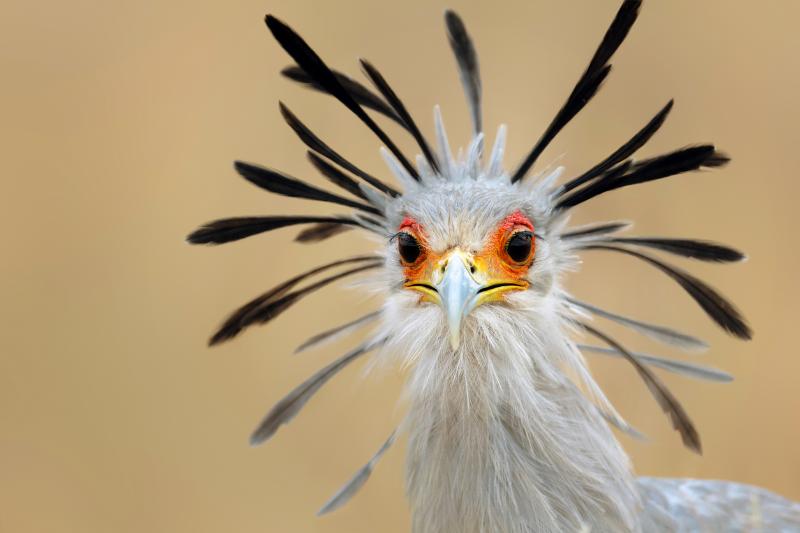
Unlike most birds of prey, Secretary Birds spend much of their hunting time on the ground. They can walk enormous distances each day, covering the grasslands with purposeful strides while searching for prey.
Their favourite food includes rodents, lizards, insects and, famously, snakes. When they encounter a snake, they do not rely on talons or a hooked beak. Instead, they use their extraordinary legs, the lower half of which are protected from snake bite by scales.
A Secretary Bird can deliver lightning-fast kicks with tremendous force. Scientists have measured strikes so rapid that they are almost difficult to follow with the human eye. These powerful blows allow the bird to stun or kill dangerous prey while keeping a safe distance from venomous fangs.
Watching one hunt is like witnessing a perfectly choreographed dance between grace and precision.
The more one learns about Secretary Birds, the more unique they become. In fact, they are so unusual that they belong to a family all their own (Sagittarius serpentarius). There is simply no other bird quite like them anywhere on Earth.
Their family lives are equally impressive. Secretary Birds often form long-term pair bonds and work together to raise their young. They build large nests in thorn trees, returning to them year after year as many faithful couples do.
Yet perhaps their greatest charm lies not in what they do, but in how they carry themselves. There is an air of confidence about a Secretary Bird.
It does not hurry. It does not fuss. It simply walks across the landscape as though it has important business to attend to. Perhaps that is why they have captivated generations of Africans.
For those of us who remember seeing them regularly decades ago, every modern sighting feels like reconnecting with an old friend.
And every time we spot our resident pair at Royal Jozini, we are reminded that some treasures are worth waiting for.
Long may these aristocrats continue their stately patrols across the grasslands. The veld would be a poorer place without them.