Some animals demand attention. Others earn admiration quietly.
The waterbuck belongs firmly in the second category.
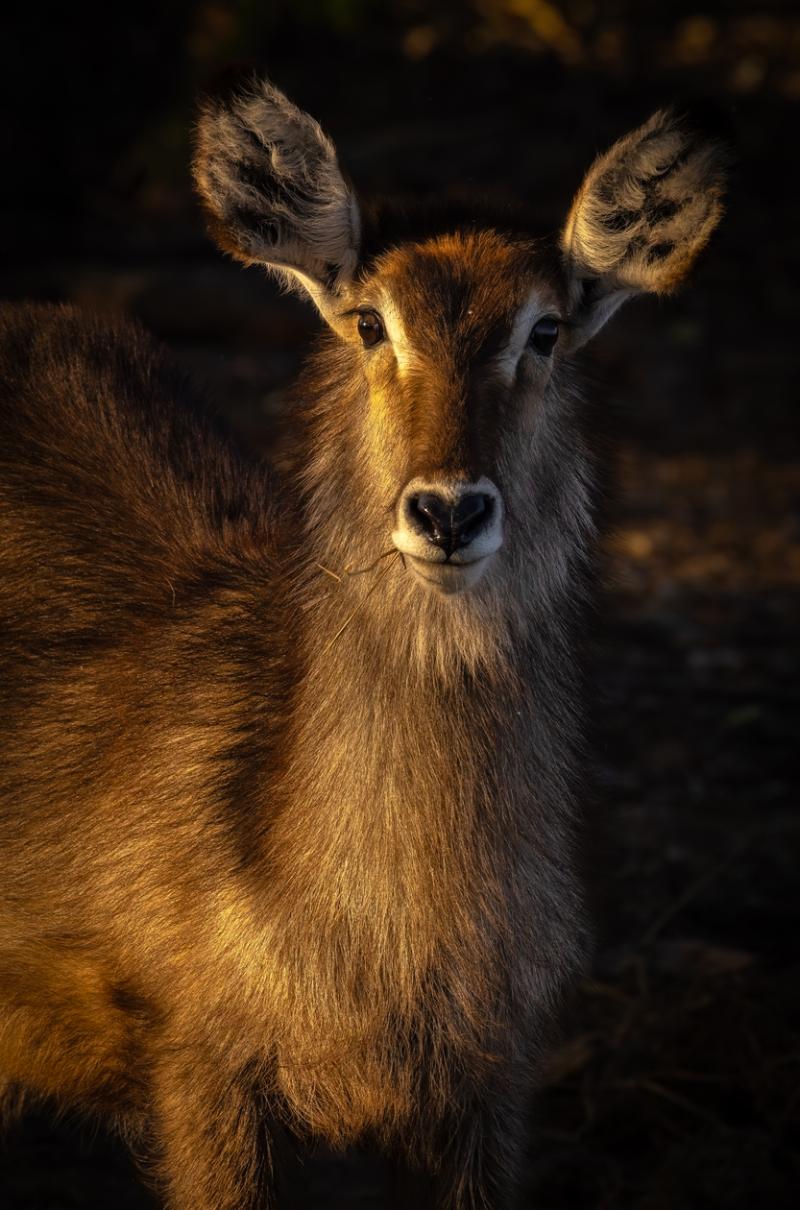
Standing tall among the reeds and woodland edges of Royal Jozini, the waterbuck possesses a dignified presence that often causes visitors to stop and stare. There is something undeniably noble about its shaggy coat, powerful build and calm, watchful nature.
While it may not enjoy the celebrity status of lions or elephants, the waterbuck is one of Africa’s most remarkable antelope.
And one of its greatest secrets lies in its relationship with water.
Unlike many antelope species that can survive for long periods without drinking, waterbuck are true lovers of the waterfront. They rarely stray far from rivers, lakes, dams and wetlands, making the shores of Lake Jozini ideal habitat.
Their dependence on water has shaped their lives in extraordinary ways.
When threatened by predators, waterbuck will often head straight for water. They are surprisingly strong swimmers and frequently use lakes and rivers as escape routes. While lions and wild dogs may be reluctant to follow, the waterbuck is perfectly comfortable seeking safety in the water.
Nature has equipped them with another clever adaptation. Their coats contain an oily secretion that helps repel water and provides protection from the elements. The substance has a distinctive scent – one that game guides often describe with a smile rather than enthusiasm.
This natural waterproofing system is so effective that predators sometimes avoid targeting waterbuck altogether. Their strong scent is thought to make them less appealing prey than some of their more fragrant neighbours.
Of course, many visitors first notice something rather different. The waterbuck’s famous white ring.
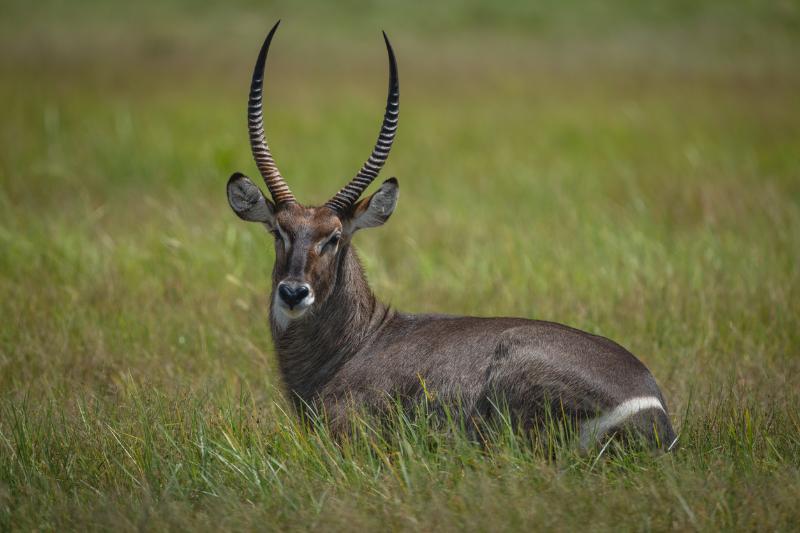
Seen from behind, this bright circular marking has earned a variety of humorous nicknames over the years. Yet its purpose is remarkably practical. In dense vegetation, the white markings help herd members keep track of one another, especially when moving quickly through woodland or long grass. Nature, it seems, has a use for everything.
Waterbuck family life is equally fascinating.
Females and calves usually gather in loose herds where youngsters benefit from the safety of numbers. Calves are carefully protected by their mothers and quickly learn the routines of life around water.
The bulls, however, lead rather different lives.
A mature bull often establishes a territory in a prime location, particularly near reliable water sources. There he stands guard, quietly monitoring his surroundings and keeping watch over passing females. Serious fights are uncommon, with most disputes settled through displays of size, posture and confidence. There is something rather gentlemanly about the process.
Unlike some antelope that seem permanently nervous, waterbuck often appear calm and composed. They move deliberately, feed patiently and spend long periods resting while surveying their surroundings. Perhaps that is why photographers are so fond of them.
A waterbuck standing beside the lake at sunrise captures something timeless about Africa. The reflection on the water, the curve of its horns, the stillness of the moment – it is a scene that speaks of wilderness in its purest form.
The next time you spot one at Royal Jozini, take a little longer to appreciate it. Look beyond the impressive horns and handsome appearance.
You are looking at an animal that has built its entire life around water. A survivor perfectly adapted to the lake’s edge. A patient guardian of the wetlands.
And quite possibly the most elegant antelope ever to wear a white ring on its backside.